We didn't set out to build infrastructure.
We set out to build AI photography platforms. First BetterPic. Then BetterStudio. The GPU reliability nearly killed us. So we built our own infrastructure — and it turned out to be the most reliable AI orchestration layer we'd ever used.
Two founders. One obsession.
Decades of building before the first GPU bill.
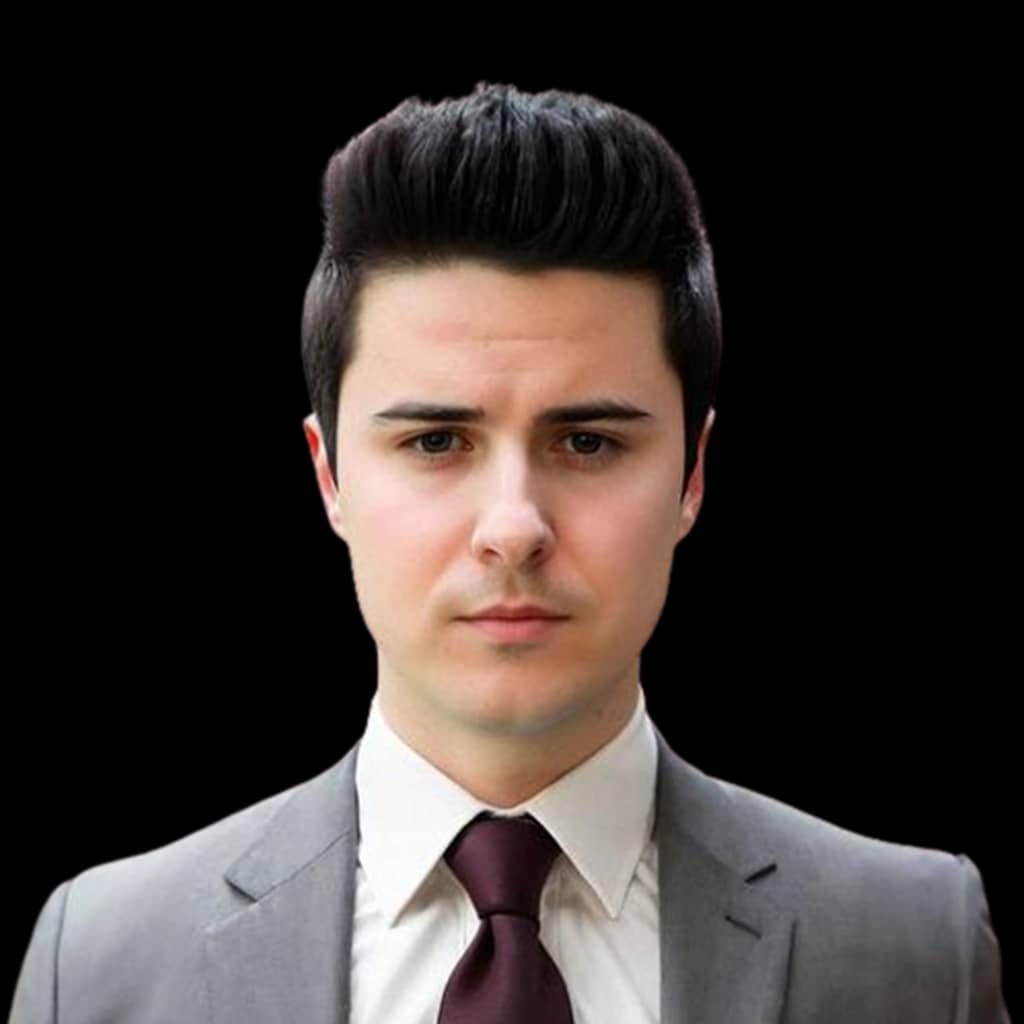
Miguel Rasero
CTO & Co-Founder
At 14, Miguel bought a struggling Minecraft server for €500, half borrowed from his dad. He transformed it into Lutorlandia, one of the top Spanish-speaking servers, serving over two million players across four years.
That server was his first infrastructure school: DevOps, software development, team management across 25+ people, cybersecurity, he survived a DDoS attack big enough to take down a small city.
February 2023: he tested a tool generating fantasy-style selfies. The results were rough. But the first test subject, his grandfather, a traditional Spanish cordobés who wore his hat in every photo, reacted with pure surprise and delight.
Three months of obsessive AI training later, BetterPic was born.
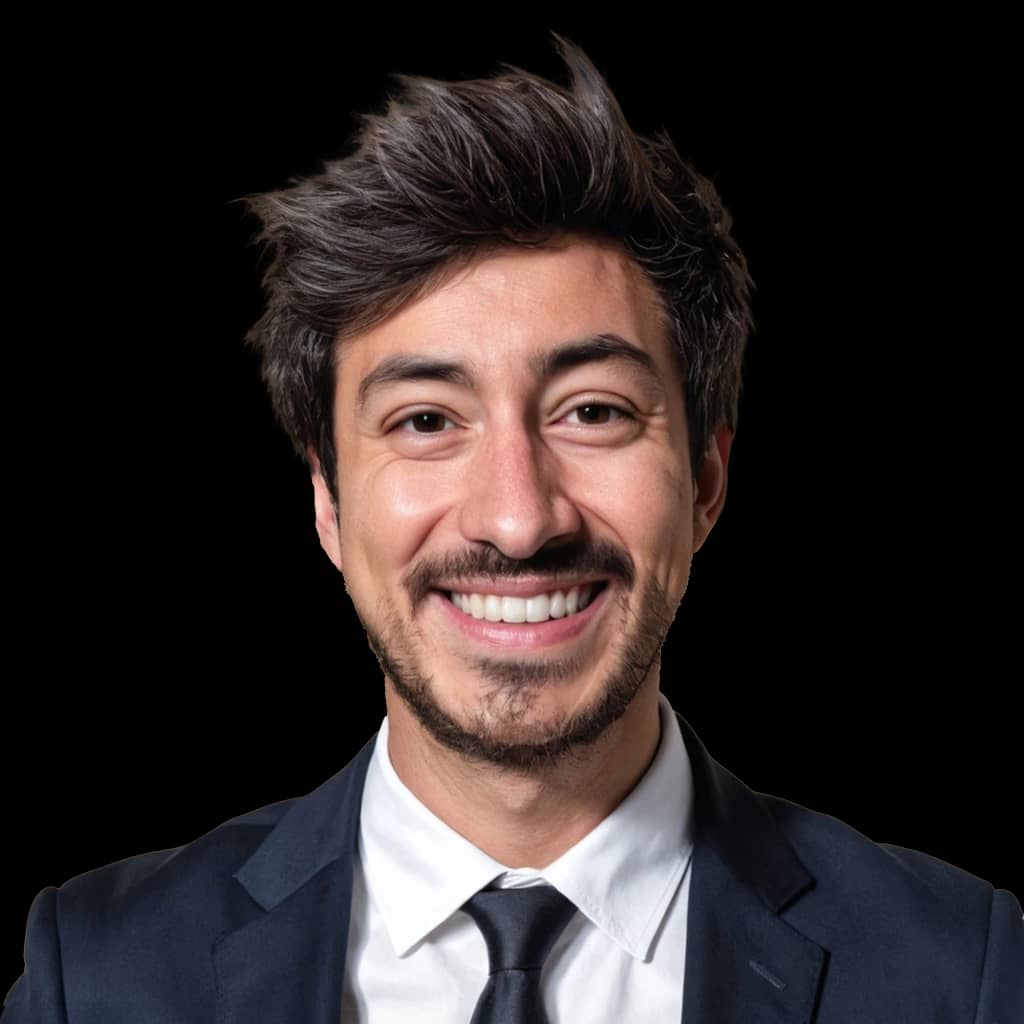
Ricardo Ghekiere
CEO & Co-Founder
Dropped out of school at 20 to open a coffee bar. Scaled to 3 locations in a year. Was forced to sell his shares and lost everything invested.
Went back to business school. Then: cocktail boxes (Alchemistbox), sold a marketing agency (Saasmic), went back to running Saasmic. Serial builder with an instinct for when to push and when to pivot.
December 1, 2023: after a night in Spain, what started as conversations about acquiring BetterPic turned into a co-founder partnership with Miguel.
One had built an AI engine. The other knew how to turn products into businesses. Together, they 10x'd revenue in six months.
35 million headshots. Built from a beach in Spain.
BetterPic started with a grandfather in a hat. Miguel's first AI test subject, a traditional Spanish cordobés who wore his hat in every photo. The headshots were rough. But his grandfather's reaction said everything: surprise, then delight.
Three months later, BetterPic launched. The first customer arrived while we were on vacation. Miguel coded the missing half of the product on a laptop balanced on his knees, sunscreen dripping onto the keyboard.
The website looked like a school project. People literally told us it felt like a scam. First month: €343 in revenue.
We didn't care. We shipped, we fixed, we shipped again. Ricardo joined in December 2023. At the time, BetterPic was doing roughly $1,500 a month.
We scaled the business bootstrapped to $2.3M per year over two years, hitting $272K in our peak months. To date, BetterPic has generated over thirty-five million AI headshots and proved that consumer AI at scale was not only possible, it was profitable.
From selfies to fashion shoots. From consumers to enterprises.
BetterPic proved we could run AI at scale. BetterStudio proved we needed to.
We recognized that the real market wasn't individual headshots, it was enterprise imagery. Fashion, e-commerce, brand photography at scale. We launched BetterStudio: an AI-powered fashion photography platform for enterprise clients.
We developed verified digital twin technology, real models, digitally reproduced, fully licensed. Not synthetic people. Not unverified AI-generated faces. We scaled to $2.3M revenue across platforms and raised $2.5M USD from MOC Capital and Shilling VC.
This was the inflection point: delivering AI workflows at scale. Going from face inpainting to AI edits, logo fixes, and dozens more, every new capability became a bottleneck. Producing precise images at enterprise volume meant running complex multi-step pipelines, and the infrastructure costs scaled faster than the revenue.
Then the GPU bills arrived.
We almost went broke running AI.
Across BetterPic and BetterStudio combined: hundreds of thousands of inference jobs, portraits, background removal, segmentation, fashion composites, quality scoring. Real workloads. Real clients. Real GPU bills.
And those GPU bills nearly killed us.
Every new client onboarding meant extra testing, configuration, and reiterating on generated images based on feedback, skyrocketing our GPU costs. More clients, more compute. More compute, shrinking margins.
The cost structure was threatening everything we'd built. We either solved this problem or we shut down. So we solved it.
Fully automated. Multi-datacenter. Battle-tested.
We built a multi-cloud GPU orchestration system from scratch. Not in a lab. Not on a benchmark. In production, processing the same enterprise fashion workloads that were failing on single-provider setups.
It scaled automatically, failed gracefully, and ran without a dedicated DevOps team babysitting it. Jobs routed intelligently across datacenters based on latency, availability, and region constraints.
The system processed real workloads at scale for months before anyone outside the team saw it. Battle-tested on enterprise-grade AI image workflows: fashion composites, digital twins, quality scoring.
That's when we realized: if this gave us rock-solid reliability, it could do the same for everyone.
The authority layer for AI inference.
Most AI infrastructure gives you one of two things: raw GPUs you have to manage yourself, or black-box APIs where you pay a premium and hope for the best.
Runflow is the managed middle — production-ready AI models with certified quality scores, per-niche benchmarks, and simple fixed pricing. We don't just run your models. We prove they work.
We're not guessing about what production AI needs. We've processed thirty-five million headshots, run enterprise fashion pipelines for global brands, and built multi-datacenter orchestration that just works.
Now we're making that infrastructure available to everyone.
Built by engineers who couldn't
afford to get it wrong.
Ricardo Ghekiere
CEO & Co-Founder
Coffee bars, cocktail boxes, marketing agencies, then AI. Survived the GPU reliability crisis. Now making sure no one else has to.
Miguel Rasero
CTO & Co-Founder
From Minecraft servers at 14 to AI infrastructure at scale. Architected the multi-datacenter orchestration system behind Runflow.

Khuong
Front-End Engineer
Makes the developer experience feel effortless.
Miguel P.
Head of Infrastructure
Keeps the GPUs running, across clouds, across continents.
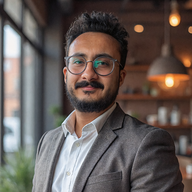
Ziad
Head of ML
Builds the benchmarks that make "good enough" obsolete.

Tibor
AI Engineer
Turns raw models into production-ready solutions.
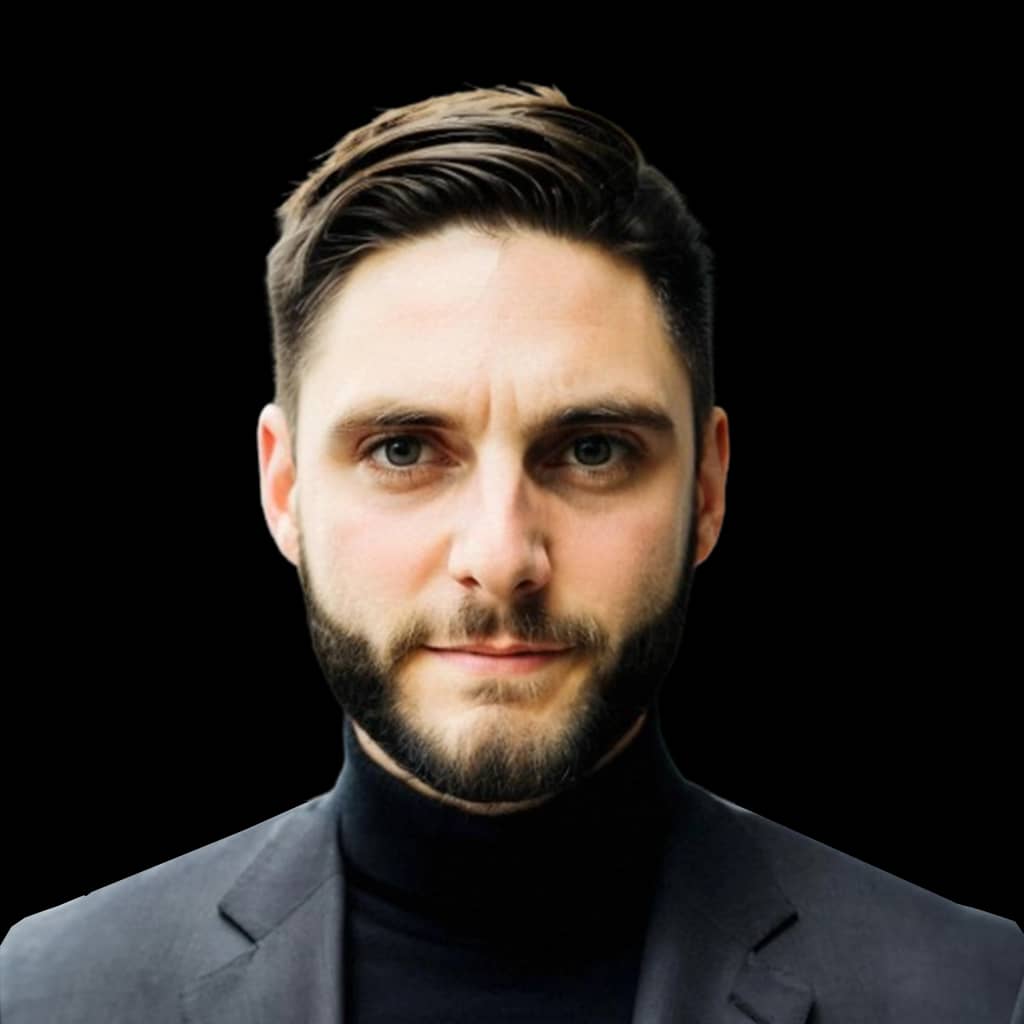
Thibaut Hennau
Advisor
Makes sure everybody knows they can remove complex infrastructure from their to-do list.
Ready to stop worrying
about GPU infrastructure?
Join the teams already running production AI through Runflow. Per-niche benchmarks. Certified quality. 30%+ savings vs in-house.